Featured guideCost basics5 min read
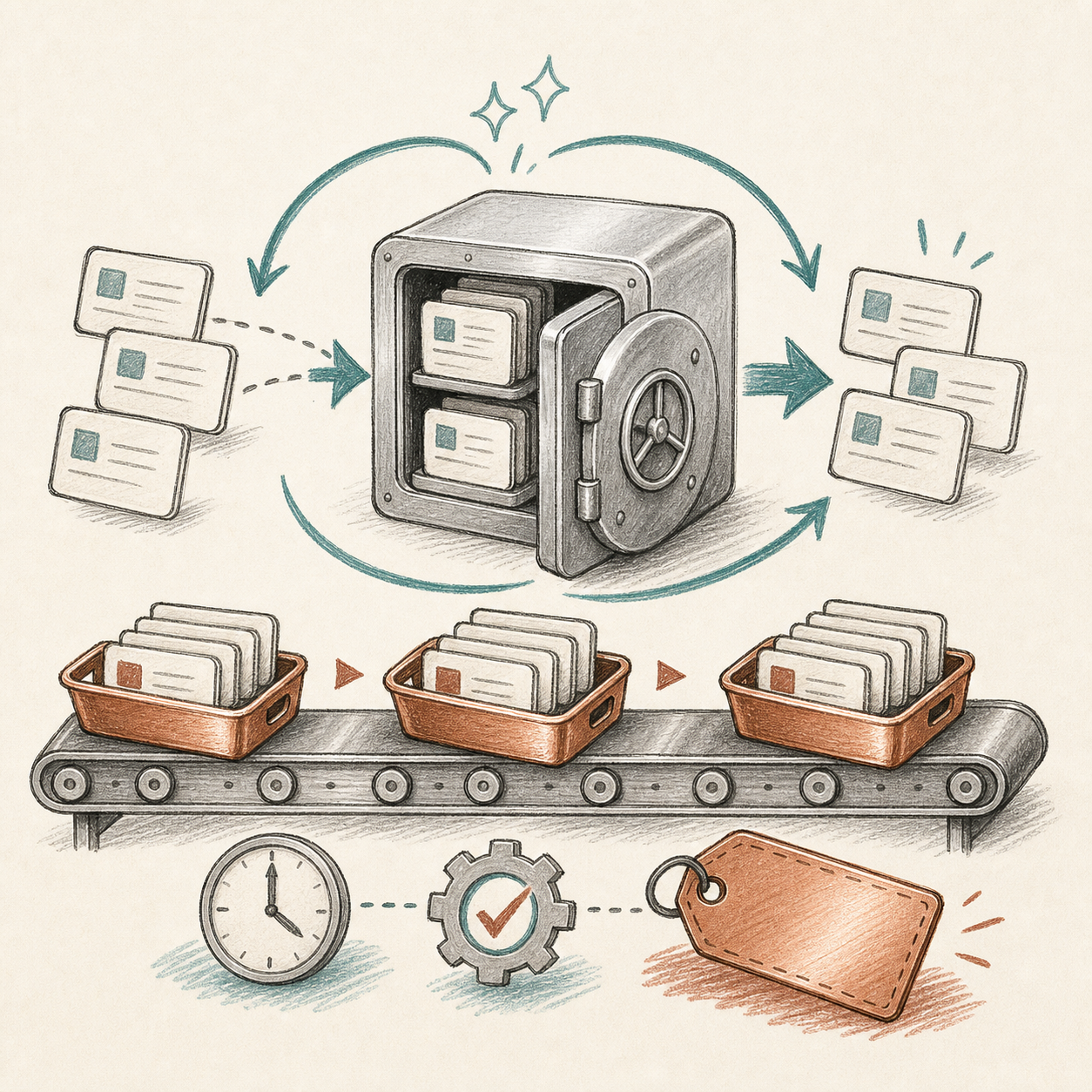
How AI API pricing actually worksInput vs. output token rates, cache and batch discounts, and why the sticker price rarely matches your real bill.
Read the guideAI cost compass
AICostCompass is part of the mindcrew family: tools that get out of your way. These guides translate AI pricing, ROI, model choice, and rollout planning into plain business decisions you can act on before committing budget. Choose a guide below to open the full article.
Input vs. output token rates, cache and batch discounts, and why the sticker price rarely matches your real bill.
Read the guide13 of 13 guides shown
Input vs. output token rates, cache and batch discounts, and why the sticker price rarely matches your real bill.
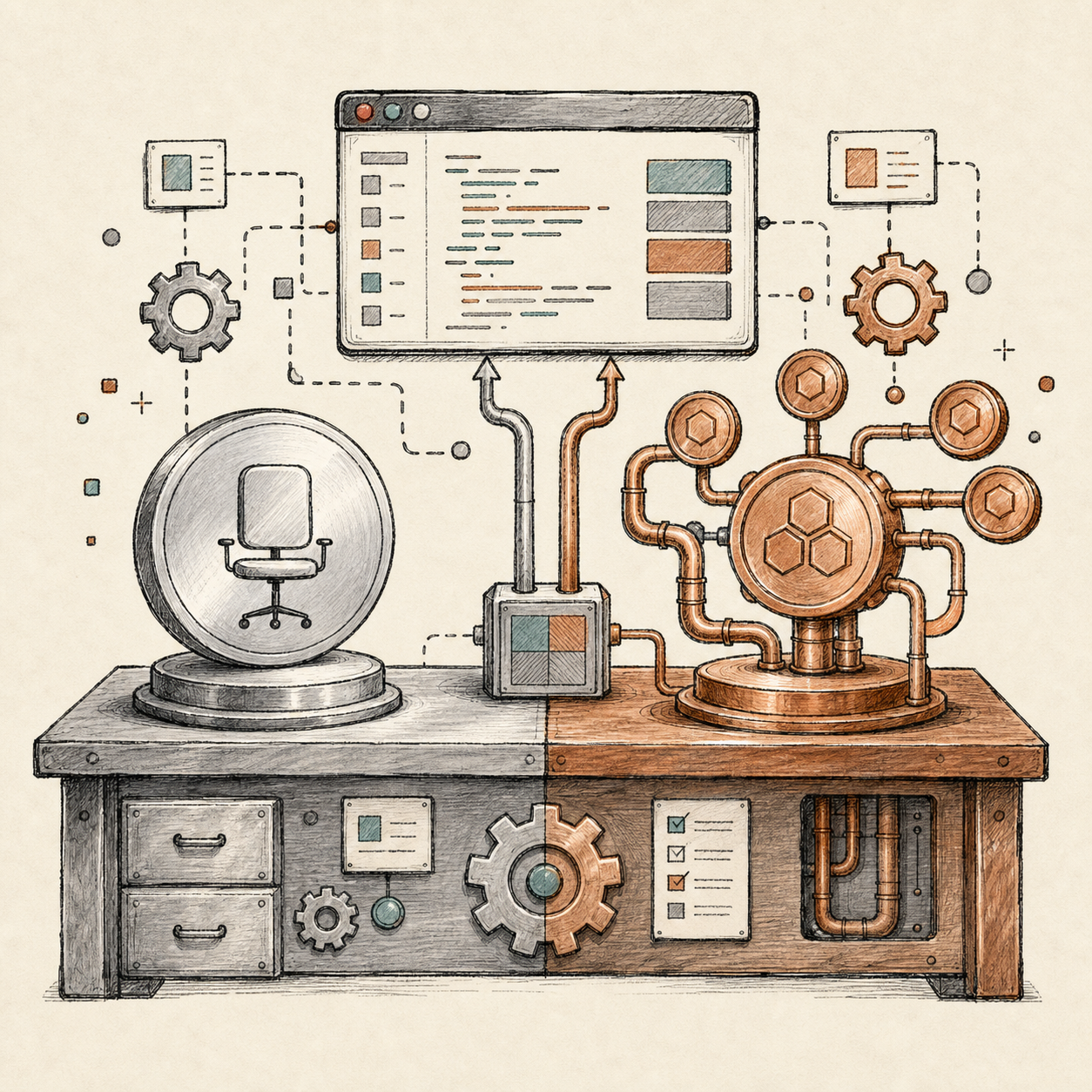
Copilot, Claude, Cursor, ChatGPT, and GLM Coding all price differently - here is how to compare a flat seat price against metered API usage.
AI pricing changes quickly, units are inconsistent, and real bills depend on workload shape. This guide explains how to use the site as a decision tool.
A simple framework for comparing AI spend against saved labor, faster delivery, quality gains, and avoided operational cost.
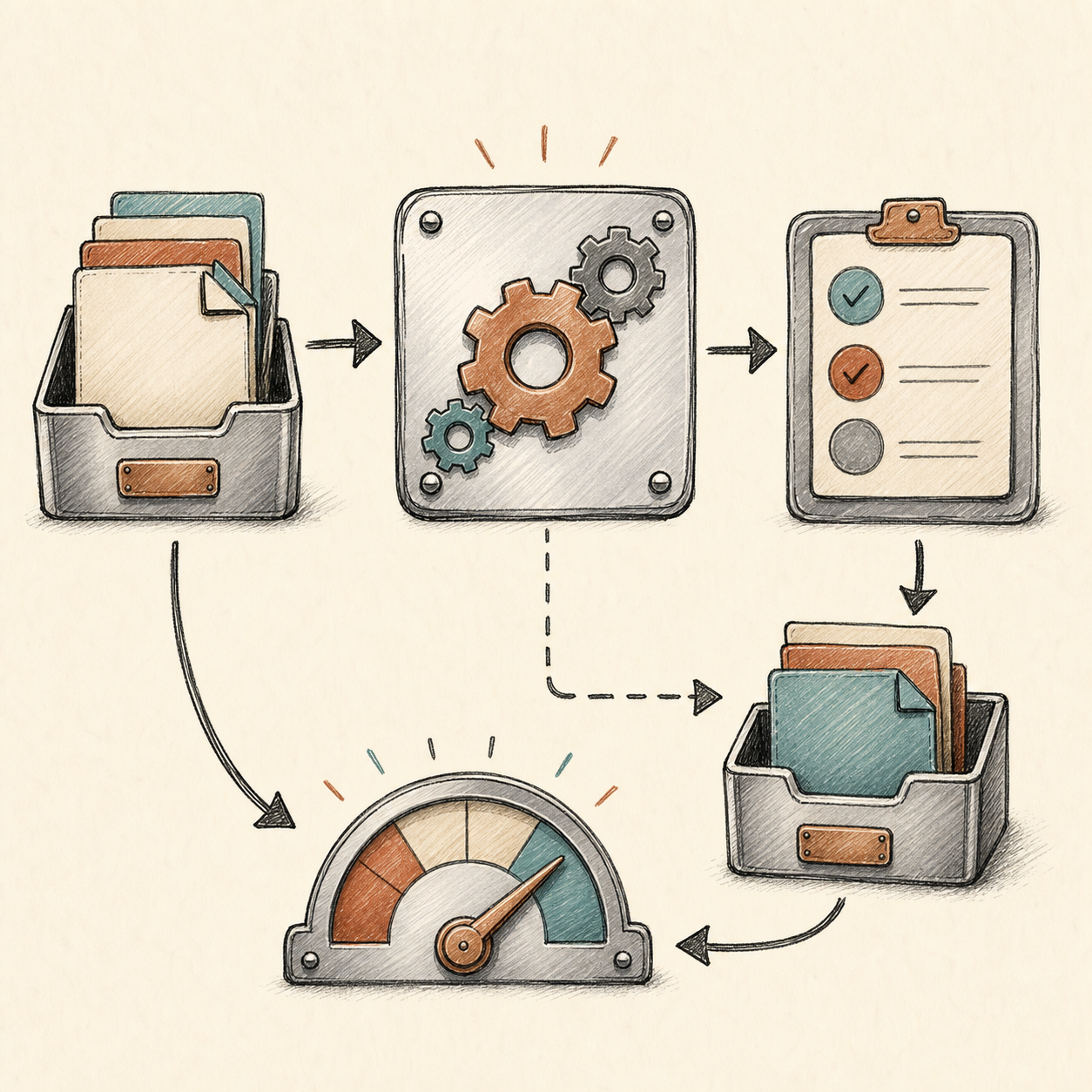
A practical way to turn requests, documents, chat history, and expected answers into monthly input and output token volumes.
When frontier models are worth the premium, when balanced models are enough, and where budget models fit.
How repeated context, async jobs, and provider discounts can change the effective monthly cost of an AI workload.
How to compare per-image, per-second, per-minute, and per-character pricing against token-based models.
Where AI tools create measurable value: coding, support, research, content operations, document processing, and internal automation.
Review time, retries, context growth, integrations, security review, and change management can matter as much as the provider bill.
A practical pilot plan for choosing a workflow, setting success metrics, measuring quality, and deciding whether to roll out.
When a packaged AI assistant is enough, when direct API access is better, and when a custom internal tool is worth building.
How to introduce AI tools without losing control of data access, review standards, procurement, and team adoption.